SaaS Ideas for Solo Founders
— 3 min read

"The way to get started is to quit talking and begin doing." — Walt Disney
Starting a SaaS business on your own is genuinely challenging, but it's also one of the more realistic paths to building something you fully own. Here are five ideas a solo founder can build without a team, along with what makes each one promising and what makes each one hard.
1. A friendlier interface on top of ChatGPT
The idea here is to build a more usable layer over ChatGPT — chat organization, project folders, libraries of AI characters or personas — the kind of quality-of-life features people wish OpenAI's own interface had. It's genuinely approachable for a solo founder: you can build it with no-code tools like Webflow, Framer, or Bubble, keep upfront costs low by relying on the existing API, and there's clear demand given how popular ChatGPT already is. The real risk is that you're building on someone else's platform — OpenAI could ship a similar feature natively at any time, and you won't be the only one who had this idea. Development can realistically take a few weeks to a few months depending on scope, so it's worth validating with a simple landing page and gauging real interest before you commit serious time to building it.

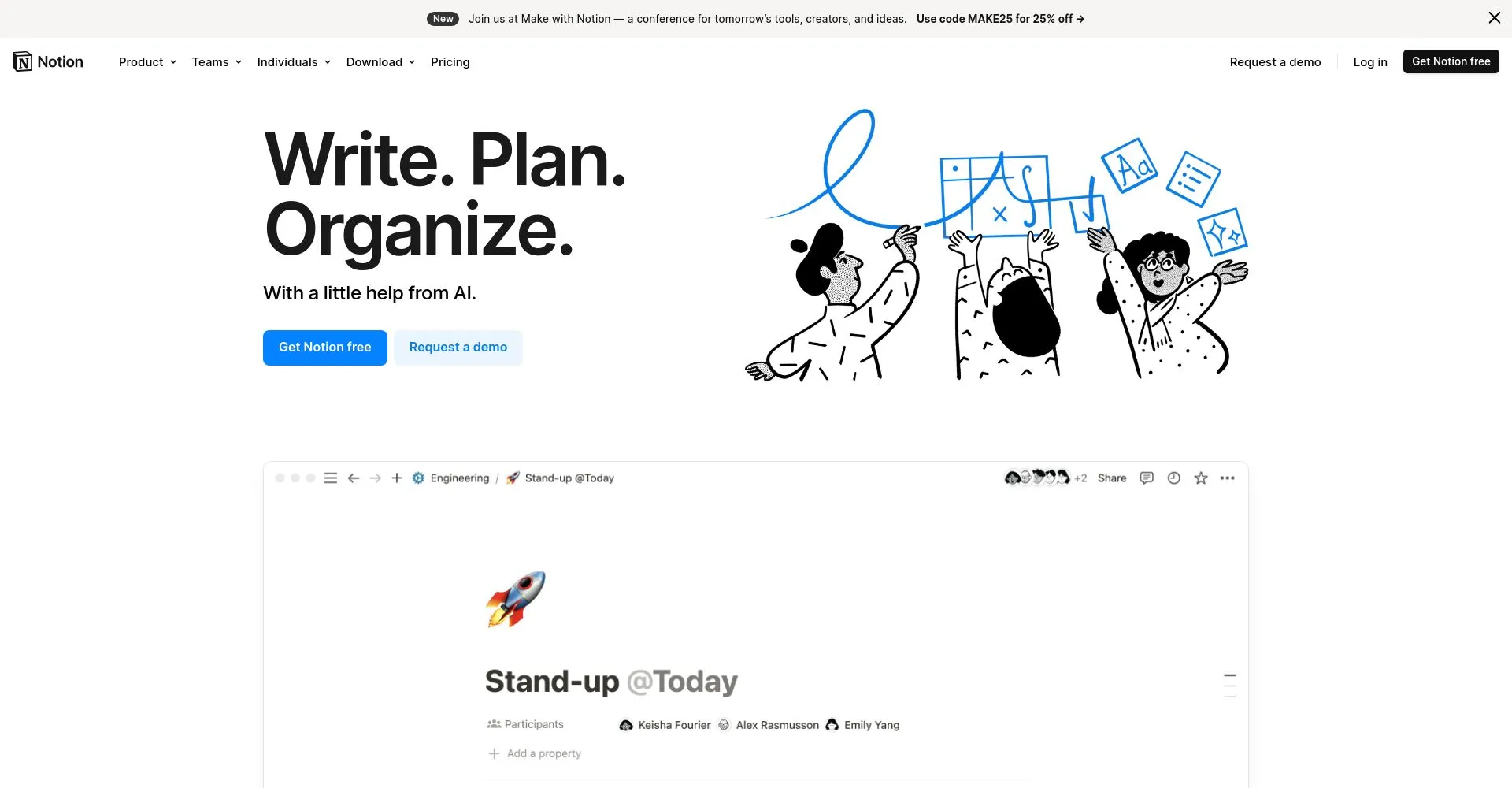
2. An automation hub built for Notion
Notion has a large, dedicated user base but limited native automation, which leaves an opening for ready-made integration plugins that let people build custom workflows without touching code. The upside is a ready-made market and a widely-felt gap; the downside is that Notion could close that gap themselves at any point, and building against their API takes more technical skill than the ChatGPT idea above. Expect this one to take several months rather than weeks. Start by talking to actual Notion users about what automation they're missing most, rather than guessing.
3. An SSL certificate manager for other SaaS products
This one solves a specific, unglamorous technical problem: handling custom domains and SSL certificates so that other SaaS tools can offer white-label or multi-tenant features without building that infrastructure themselves. It's a narrow niche, which is actually the appeal — there's real demand from other SaaS builders who'd rather not deal with this themselves, and less competition than in more general categories. The trade-off is that it requires genuinely advanced server engineering skills, and the market, while real, is smaller than a consumer-facing product. Worth validating with potential customers directly before investing the months of development it's likely to take.
4. An interactive learning platform for a specific niche
Gamified, interactive learning content — with the option of certifications — tends to produce noticeably better engagement and outcomes than a static course, and it can be applied to almost any field: marketing, copywriting, legal, data science, whatever you know well. The catch is that content creation is genuinely time-consuming to do well, and you'll be competing with established learning platforms unless you pick a niche focused enough to stand out clearly.
5. A low-code integration platform
Think of this as filling in the gaps left by Zapier and IFTTT — a way for developers to connect services that don't yet have an easy integration path. Demand is high, and because you're not built on top of a single host platform, you avoid the platform-dependency risk that the ChatGPT and Notion ideas carry. The cost is technical complexity: this one requires real engineering depth to build well, and you're competing directly with established players who have a significant head start.

Across all five, the same pattern holds: validate the idea with real users before you build, expect the timeline to run into months rather than weeks, and lean toward whichever idea plays most directly to skills you already have — that's usually the edge that actually matters for a solo founder.