Create a world-class Website Landing Page
— 3 min read
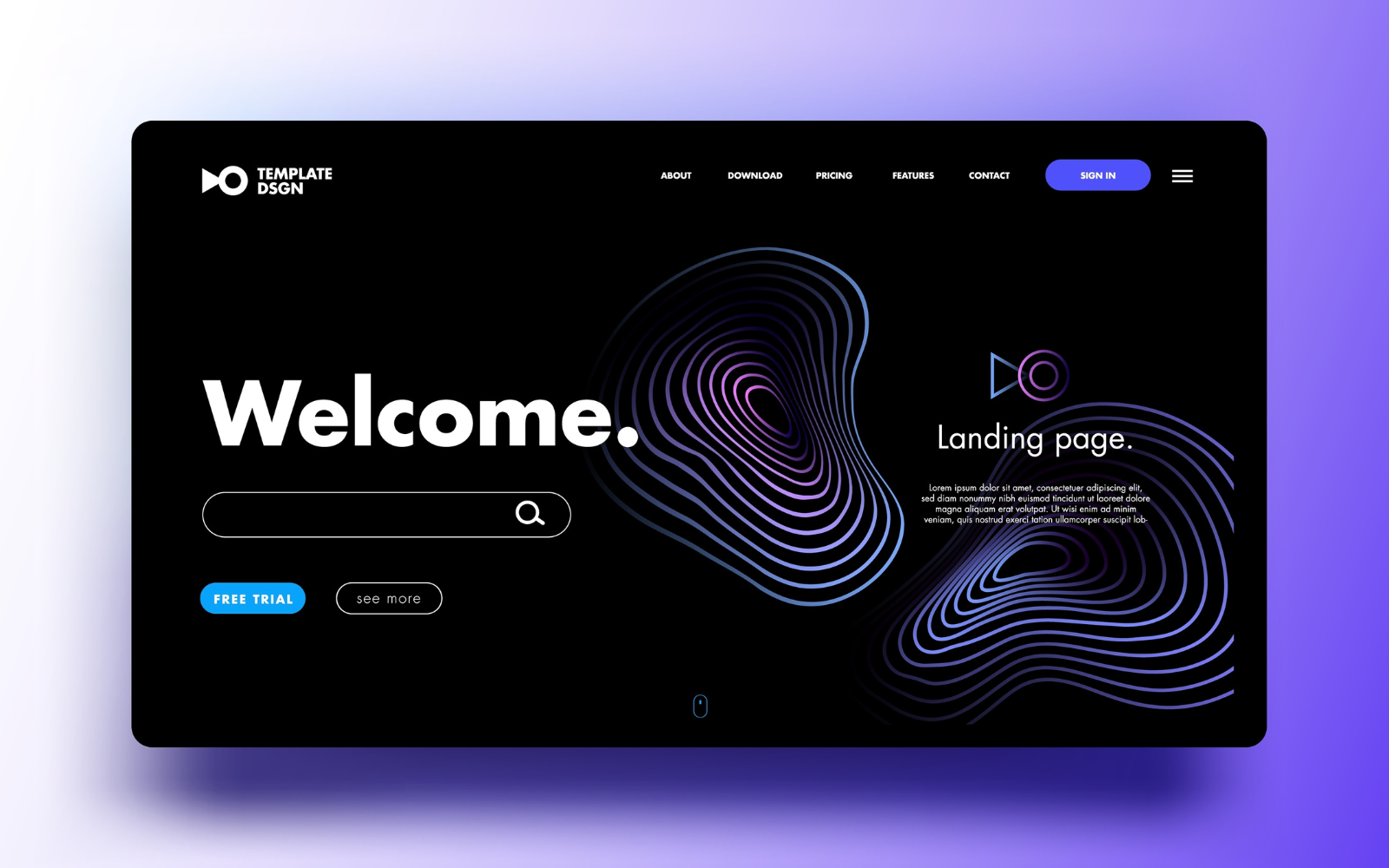
Creating a genuinely effective landing page is one of the highest-leverage things you can do for your marketing, since it's the difference between traffic that converts and traffic that just bounces. A few principles make an outsized difference.
1. Get the above-the-fold section right
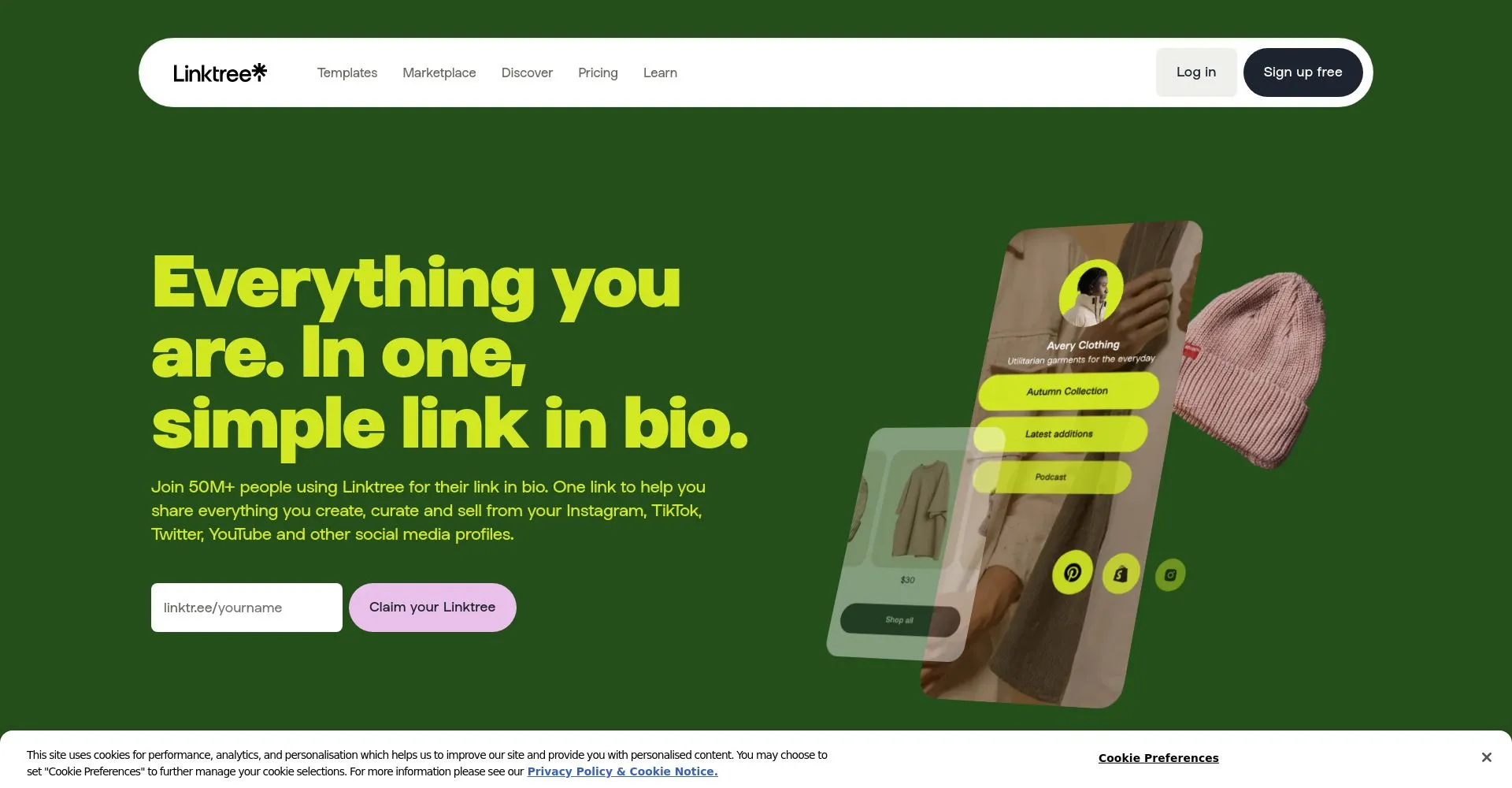
This is the most critical real estate on the page, since it's the one part every single visitor will actually see. It needs to do two things well. First, it has to be congruent with whatever ad or link brought someone there — if your landing page headline doesn't match the promise your ad made, visitors notice the disconnect immediately and lose trust in a way that's hard to recover from. Second, it needs to meet visitors where their head already is: someone who clicked an ad for a specific product wants your page to speak directly to that need, not open with a generic pitch about your company.
2. Write like you're talking to one person
The landing pages that convert well tend to feel like a one-to-one conversation rather than a broadcast. That starts with using the actual words and phrases your customers use, instead of internal company jargon that means something to your team but nothing to a visitor. It also means writing for one specific, well-defined audience rather than trying to speak to everyone at once — copy that tries to be relevant to everybody usually ends up feeling relevant to nobody. And it helps to write in a genuinely human, conversational voice, the way you'd actually talk to someone, rather than the flat tone of a faceless corporate memo.
3. Qualify — and disqualify — your visitors
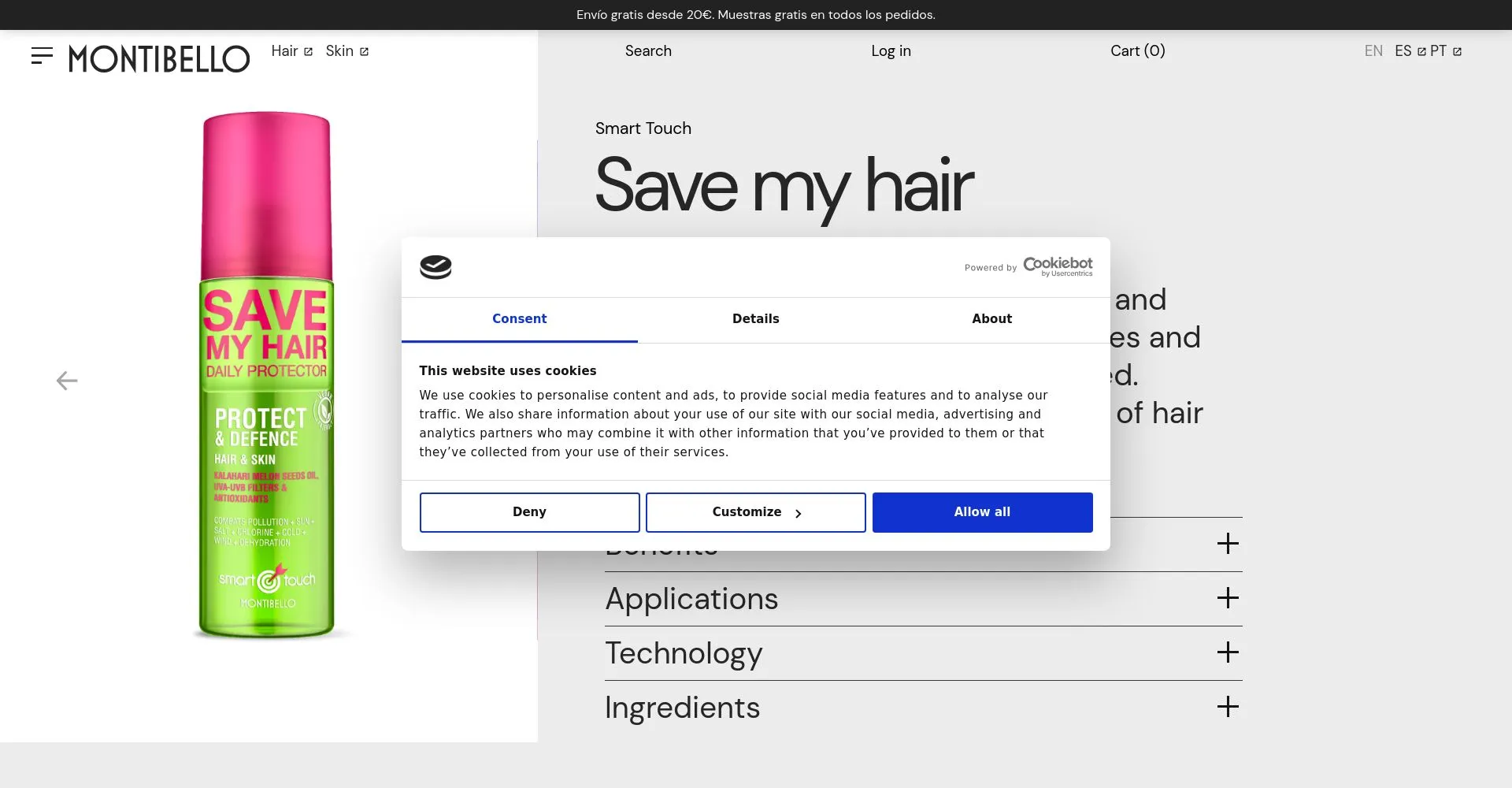
A good salesperson doesn't just try to close everyone; they figure out who's actually a fit. Your landing page should do the same thing. Make it clear, through your copy, exactly who the offer is meant for — using specific archetypes or descriptions that match your ideal customer helps visitors recognize themselves. Real testimonials and photos of actual users go a long way toward building that same sense of recognition and trust. And it's worth explicitly saying who the offer isn't for, too — that might feel counterintuitive, but disqualifying the wrong visitors early saves everyone's time and tends to make the people who are a good fit trust you more, not less.
4. Make one clear ask
The final step is getting the visitor to actually do something — book a call, download a resource, start a trial, whatever the next reasonable step is in their journey. That call to action needs to be obvious and singular: cut the clutter around it, and don't let two or three competing CTAs dilute what you actually want someone to do. A clear, bold, problem-focused headline paired with one unmistakable action tends to convert far better than a page trying to offer several options at once.
Keep in mind that your landing page is just one link in a longer funnel, so it's worth double-checking that it's genuinely consistent with the ad or link that brought someone there, and with whatever comes immediately after they take the action you're asking for.