How to build a strong brand?
— 3 min read
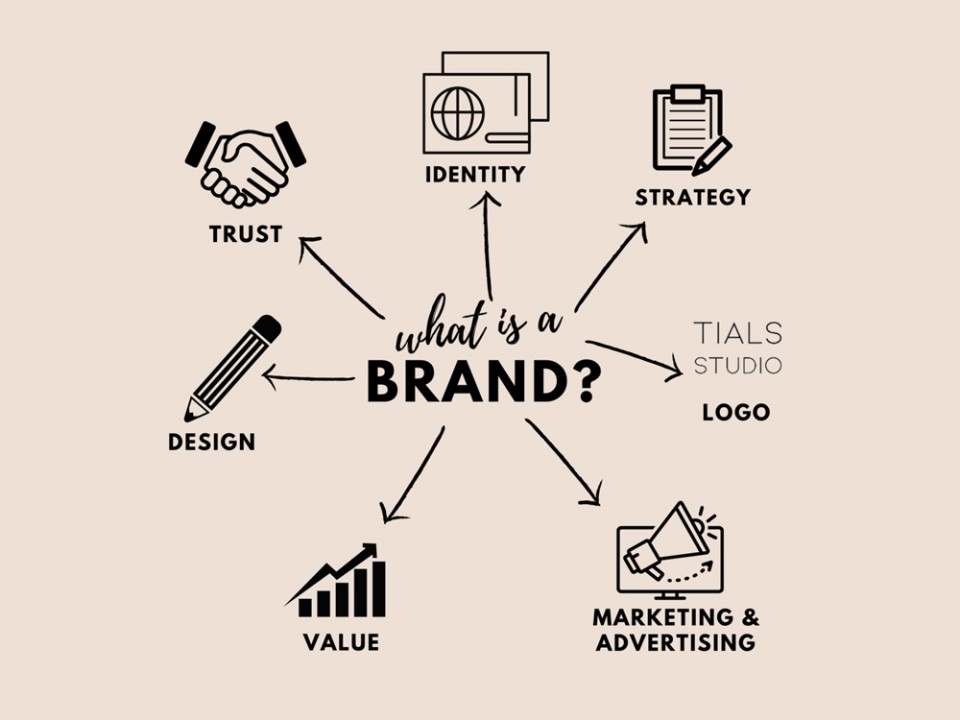
In a crowded market, a strong brand is what makes a business stand out and keeps customers coming back rather than shopping around every time. It's not just a nice-to-have: a Nielsen survey found that 59% of consumers prefer to buy new products from brands they're already familiar with, which tells you how much recognition and trust actually influence purchasing decisions.
1. Start with your purpose
Before anything visual or strategic, get clear on why your brand exists in the first place — what it stands for, and what makes it genuinely different from the alternatives. Simon Sinek's well-known line captures why this matters: "People don't buy what you do; they buy why you do it." A brand without a clear purpose tends to blend into the background, no matter how good the product is.
2. Understand your competitors and your audience
Take the time to really understand the market you're in — where your competitors are strong, where they're weak, and what perception they already hold in people's minds. That gives you a clearer sense of where you can differentiate rather than compete head-on. Just as important is understanding your ideal customer: their needs, preferences, and behaviors should be shaping your messaging and offerings, not the other way around.

3. Define your mission and vision
A clear mission statement — how your product actually impacts the people who use it — combined with a vision of where you're trying to go, gives you something concrete to measure decisions against day to day. Your values should sit alongside these and guide how you actually operate, not just live on a slide somewhere.
4. Build a consistent identity
A logo and tagline are worth investing real effort into, since they become the visual shorthand for everything else you build — it's often worth hiring a professional designer to get this right rather than improvising it yourself. Beyond the visuals, developing a consistent voice and personality helps your brand feel like it's coming from someone, not something, which is a big part of what builds an emotional connection with an audience. And a well-told brand story — the "why" behind the business, shared consistently across every channel — does more to build that connection than any single ad ever will.

5. Stay consistent everywhere, and keep at it
A brand only really works if it shows up the same way in every customer interaction, every marketing campaign, and every internal decision — inconsistency is one of the fastest ways to erode the trust you've built. Pairing that consistency with genuine SEO and content that actually teaches your audience something helps position your brand as a real authority, not just another name in the category.

None of this happens quickly. Brand equity builds slowly, through repeated, consistent experiences over time — so it's worth measuring success by long-term outcomes like sales and loyalty, and being patient rather than expecting a strong brand to show up after one good campaign.