Maximize your exhibition
— 3 min read
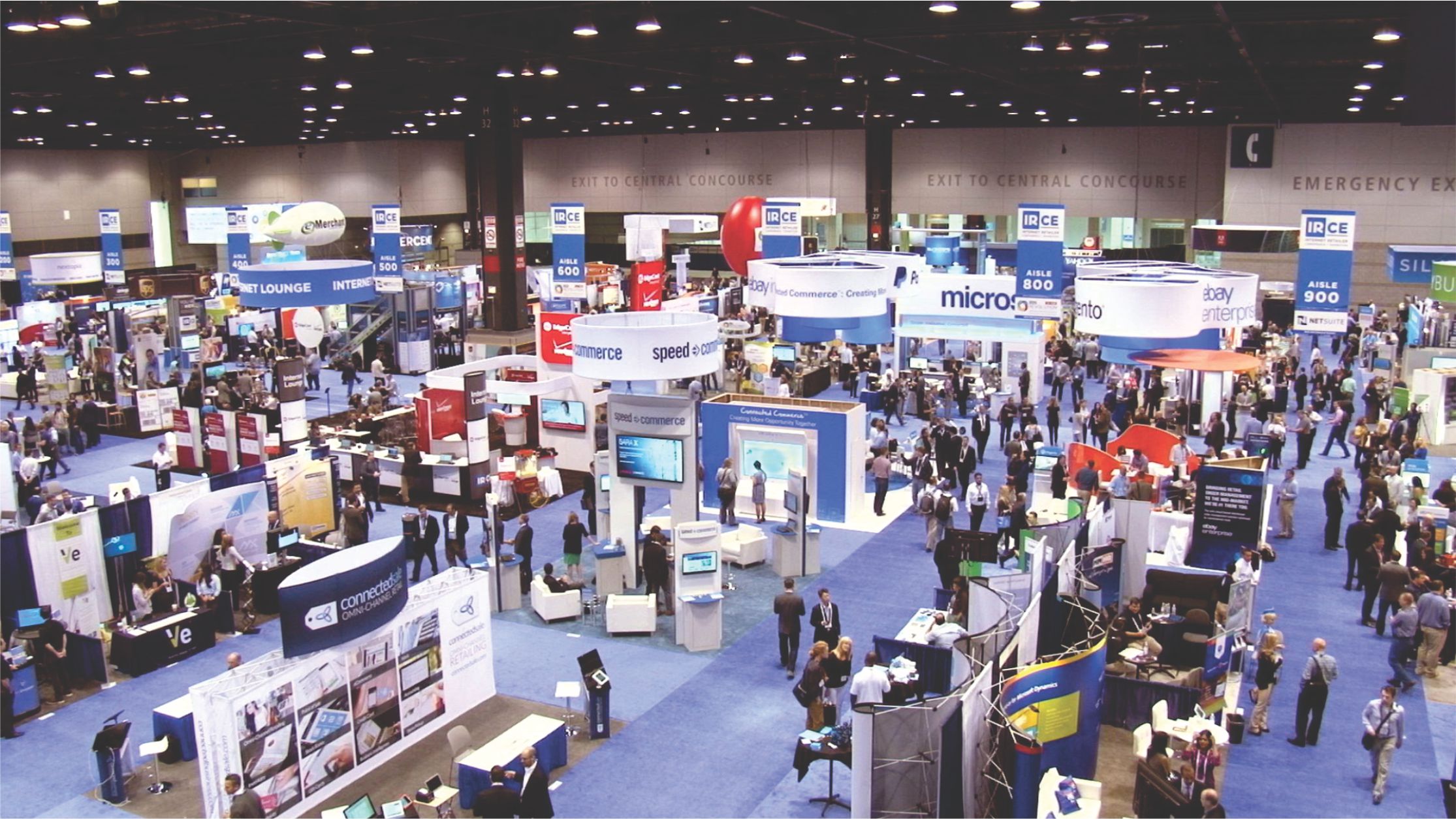
Trade shows and exhibitions have historically been a cornerstone of B2B marketing budgets, and they still hold real value — but they work best as one part of a broader digital marketing strategy rather than an isolated bet. Here's how to get more out of your next one.
1. Prepare before the event
Before the show even opens, the goal is building momentum and getting the right people to actually show up at your booth. Ask your sales team and distributors who they'd most like to see walk through, and use that to build a target list for pre-show promotion. Email, social media, blog posts, and press releases can all help create buzz ahead of time — sending invitations paired with a real incentive, like a product demo, an educational workshop, or a giveaway, gives people an actual reason to make the trip to your booth specifically. It's also worth taking a look at where your competitors tend to fall short, so your own booth can speak directly to that gap. And practically speaking, reserve your booth space early enough to get a high-visibility spot — somewhere near heavy foot traffic, like the areas around restrooms or food, tends to work well.
2. Design a booth people actually want to stop at
The design of your booth has an outsized effect on whether people engage with it at all. Eye-catching graphics, colorful banners, and thoughtful lighting help you stand out from across a crowded floor, and it's worth making sure all of it actually reflects your brand's voice and aesthetic rather than feeling generic. Interactive elements — touchscreens, LED displays, live demonstrations people can participate in — keep attendees around longer than a passive display would. And it's worth rethinking the layout itself: a long table across the front of your booth quietly signals "keep out," while an open, lounge-style setup invites people to actually come in and stay a while.
3. Engage attendees while the event is happening
Once the show is underway, the focus shifts to engagement and lead capture. Make sure your staff are well-groomed, professional, and easy to identify at a glance, and that they're actually trained to start conversations and introduce your product rather than just handing out flyers. Giveaways that tie meaningfully into your product or service tend to create real buzz and give people a reason to stop. And if you can bring along a genuinely satisfied customer who's willing to talk to prospects directly, that kind of social proof tends to carry more weight than anything your own staff can say.

4. Follow up after the event
The work isn't over when the show ends — in some ways, this is where it actually counts. Plan your follow-up strategy before the event starts, and make sure every lead who requested information actually receives it within two weeks of the show, since leads go cold fast. Take time afterward to compare your actual results against your original goals; that comparison is what turns one trade show into better decisions for the next one. And don't let the content you captured — photos, video, attendee interactions — just sit unused; syndicating it across your digital channels afterward extends its reach well past the people who were physically in the room.
Handled this way, trade show participation stops being just an expensive one-off exercise and becomes a genuine, strategic part of your broader marketing effort — with the ROI to show for it.