Make Your Home Luxurious
— 3 min read
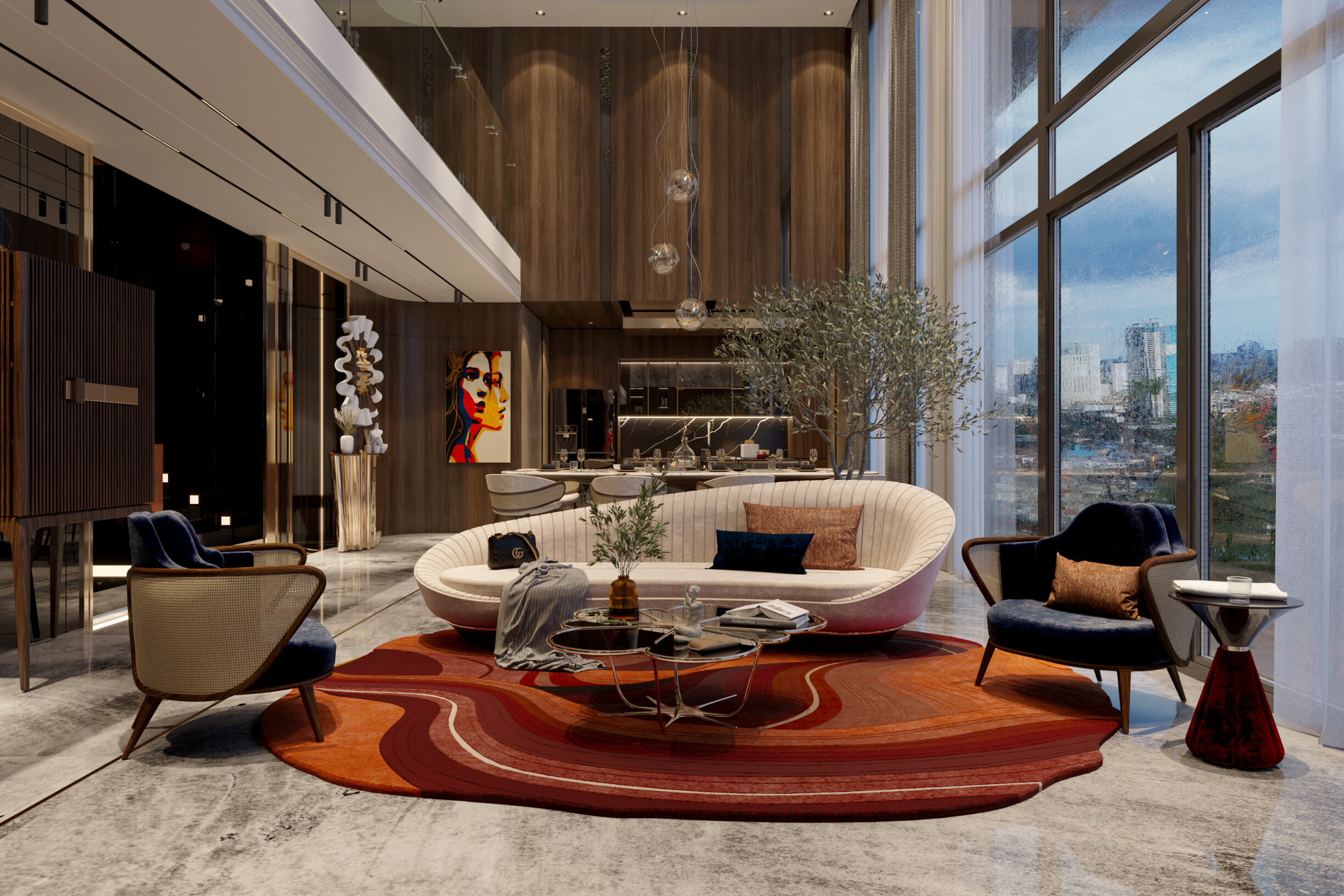
Designing a luxury home isn't really about how much you spend — it's about making choices that improve how the space feels to live in day to day. A well-designed home can genuinely lift your mood, add a sense of comfort you notice every time you walk in, and even increase the value of the property. None of the steps below require a massive budget to make a real difference.
1. Give bare space some visual interest
Long corridors and bare walls are some of the most overlooked design opportunities in a home — most people just walk past them without a second thought. Adding a light wood veneer finish to these areas tends to naturally elevate how the whole space feels, making it read as calmer, cozier, and more expensive. As a bonus, wood finishes also tend to improve a room's acoustics, softening the kind of hard, echoey sound that cheap-feeling spaces often have.

2. Use mirrors, but deliberately
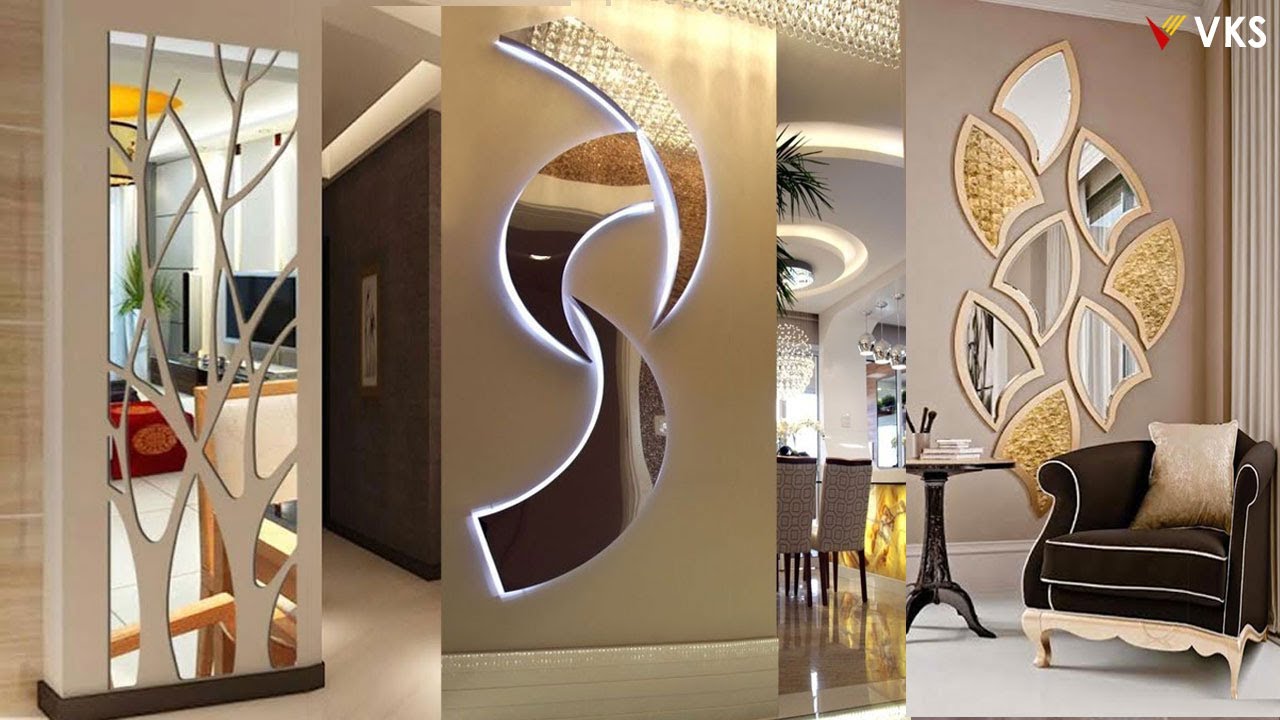
Mirrors are one of the most effective tools for making a room feel more spacious and elegant, but placement and size matter a lot here. A large mirror positioned well can create a real illusion of extra space and add a striking visual moment to an open floor plan. The mistake worth avoiding is overusing them — too many mirrors, and a space starts to feel cluttered or even a little unsettling instead of open.
3. Choose a timeless color scheme
A monochromatic palette — shades built around a single color — tends to read as calm and elegant in a way that busier color schemes don't. Keeping your palette to roughly three or four colors helps maintain a sense of balance, and it's worth making sure your furniture choices actually align with that palette rather than working against it.
4. Pay real attention to lighting
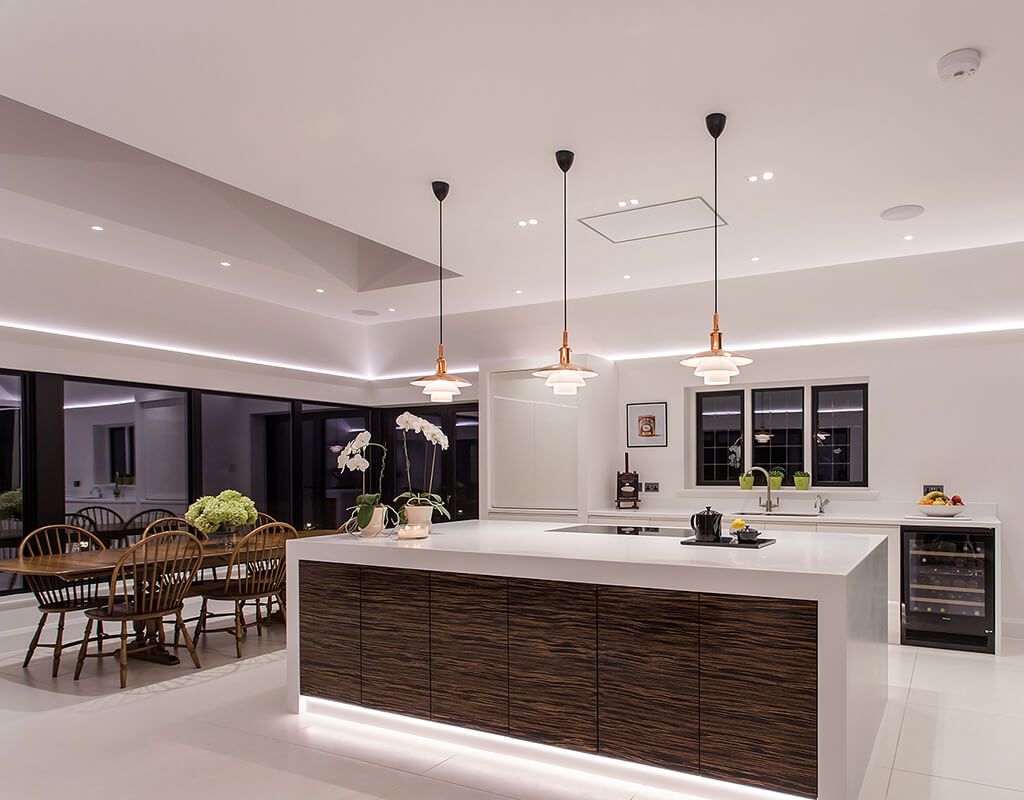
Good lighting can make even a small apartment feel noticeably larger and more upscale. The trick is layering: combining overhead lighting, task lighting, and accent lighting rather than relying on a single ceiling fixture. Details like hidden light troughs built into curtains, up-lighting, or well-placed spotlights add a level of polish that's easy to underestimate until you see it in person.
5. Personalize the space instead of copying a template
This might be the most important tip of all: design your home around how your own household actually lives, rather than recreating someone else's design from a magazine or a Pinterest board. If you have an extra room, think about what your family genuinely needs from it — a quiet study, or maybe a hidden mini theater — rather than defaulting to whatever's conventional. A space that actually serves a real purpose in your life is a bigger luxury than one that just looks good and sits unused.
A few more things worth doing along the way: clear out what you don't need and invest in storage that looks intentional rather than makeshift, favor genuine materials over synthetic substitutes wherever your budget allows, and don't be afraid to add a few indulgent textures — velvet, faux fur, a touch of metallic accent — along with one or two real statement pieces that draw the eye, rather than filling the room with a lot of smaller, competing details.