7 Essential Stoic Productivity Tips (From Top Performers)
— 3 min read

"Life is very short and anxious for those who forget the past, neglect the present, and fear the future," Seneca wrote — and it's a fitting starting point for a philosophy that's really about living deliberately rather than drifting through your days. Here are seven habits, drawn from Stoic thinking and the way top performers actually work, that can help you get there.
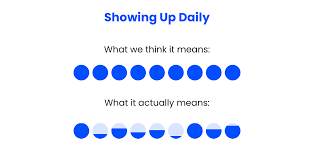
1. Show up daily, and cut what isn't essential
Marcus Aurelius had a habit of asking himself, before doing anything, "Is this task essential?" That question is worth stealing. It's easy to assume your future self will have more time, more energy, more clarity to tackle the important stuff — but that future self usually looks a lot like you do now. Start your day early, resist your phone for the first 30–40 minutes, and put your most important, most creative task first, while your attention is freshest.
2. Build systems you can trust
Relying on willpower and good intentions in the moment is a fragile way to get things done — you'll make worse decisions when you're tired or distracted, which is most of the time. A clear system, whether it's how you write, how you manage a team, or just how you organize a repeatable task, takes the decision-making out of the moment and makes your output more consistent regardless of how you're feeling that day.
3. Don't make yourself so reachable
Seneca was famously content to be seen as uninformed about matters that didn't concern him, rather than chase every piece of news and correspondence. Napoleon reportedly waited three weeks before opening his mail, on the theory that most problems resolve themselves before you ever have to deal with them. You don't need to go that far, but setting real boundaries on your availability protects the depth of focus that actually produces good work.
4. Face the workload instead of running from it
When a heavy workload piles up, the instinct is often to avoid thinking about it, which only makes it feel bigger. The more useful response is to name the tasks, prioritize them, and work through them one at a time. It's less dramatic than it sounds, but it's also how you build the kind of resilience that makes the next overwhelming week feel more manageable.

5. Protect your autonomy
Deep, focused work requires the freedom to actually stay with a problem instead of being pulled away from it every few minutes. That means setting boundaries on interruptions and being deliberate about how your time gets allocated — autonomy isn't a nice-to-have here, it's what makes high-quality work possible at all.
6. Put yourself in situations that challenge you
Comfort is a poor teacher. Sometimes what moves you forward is a new context, or honest feedback that pushes back on how you've been thinking about something. If you lead a team, this might mean creating situations where people have to demonstrate what they're capable of — that's often where real confidence and growth come from, more than in the comfortable routine.
7. Don't drop the ball on what you've committed to
Reliability might be the most underrated productivity skill. If you say you'll do something, see it through — it's what builds trust with the people around you and, over time, becomes the foundation your reputation rests on. A simple capture-and-organize system, where you write commitments down instead of trusting memory, goes a long way toward making sure nothing quietly slips.

None of this requires perfection — the goal is progress, and every one of these habits, practiced imperfectly but consistently, moves you closer to a more focused and intentional life.
Source: Watch the original video